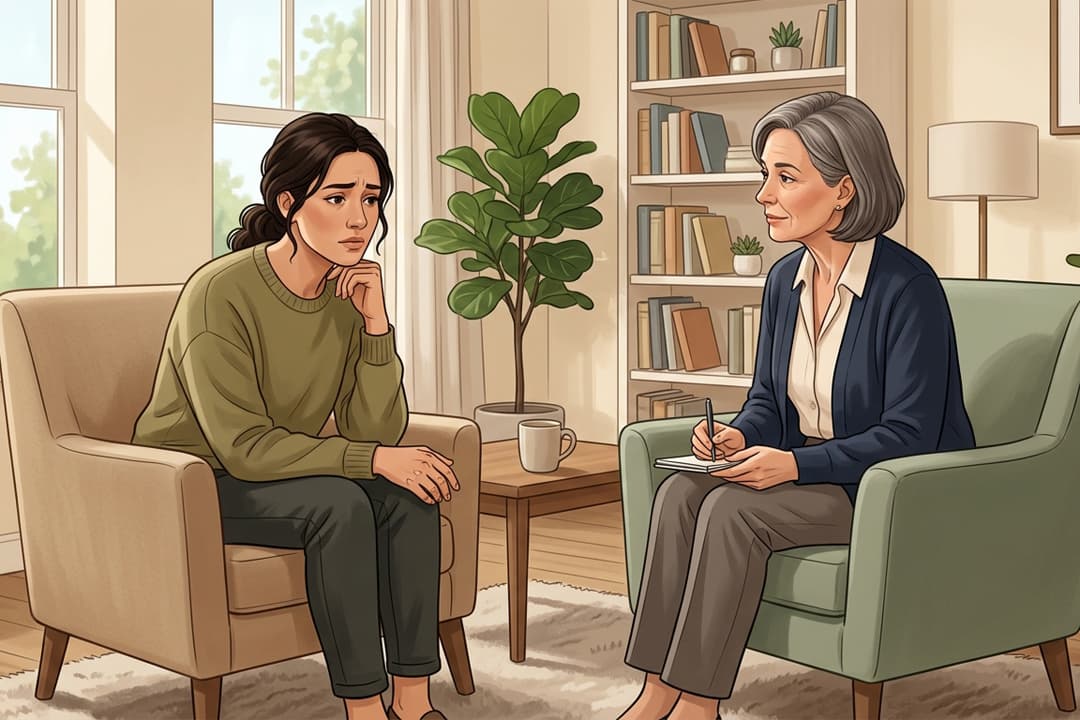
Everyone feels anxious sometimes, but there's a real difference between ordinary worry and the kind that starts running your life. Therapy for anxiety can be useful when worry stops being occasional and starts shaping your decisions, your relationships, and your daily routine. Anxiety disorders are among the most common mental health concerns people bring to counselling. If you're considering anxiety therapy Vaughan residents can access, knowing which signs are worth paying attention to can make that first step feel a lot less uncertain.
Anxiety can affect much more than your thoughts. It may show up through avoidance, physical symptoms, difficulty concentrating, or changes in your relationships. Understanding what you're experiencing can help you decide when it may be time to seek professional support and what therapy may offer.
What Is Anxiety?
Anxiety is the body's natural alarm system, designed to alert you to danger and help you respond quickly when something actually threatens you. The problem starts when that alarm goes off too often, too intensely, or in situations that aren't genuinely dangerous at all. For some people, this becomes a persistent pattern rather than an occasional response, shaping daily decisions, relationships, and even physical health over time.
What Are the Types of Anxiety
Generalized Anxiety Disorder
Generalized anxiety involves persistent, hard-to-control worry about everyday things, work, health, and finances, that lasts most days for six months or more. It's one of the most common presentations seen in anxiety counselling in Ontario.
Social Anxiety
Social anxiety centers on an intense fear of being judged or embarrassed in social situations, often leading to avoidance of gatherings, presentations, or even casual conversations. This type frequently gets mistaken for shyness, even though the underlying experience is much more distressing.
Panic Disorder
Panic disorder involves sudden, intense episodes of fear accompanied by physical symptoms like a racing heart, shortness of breath, or dizziness. These episodes can feel so severe that people sometimes mistake them for a medical emergency.
Specific Phobias
Specific phobias involve intense, focused fear of a particular object or situation, flying, heights, or needles, that's disproportionate to any actual danger involved. Unlike generalized worry, phobias tend to be highly specific and predictable in what triggers them.
Signs You Need Therapy for Anxiety
Worry That Won't Let Up
If worry persists most days for weeks or months, regardless of what's actually happening around you, that's a clear sign therapy for anxiety could help. Occasional stress fades once a situation resolves, but this kind of worry tends to stick around regardless.
Avoidance That's Shrinking Your Life
Skipping social events, turning down opportunities, or avoiding certain places just to sidestep discomfort are strong signs anxiety has moved beyond ordinary nervousness. Over time, this avoidance can quietly shrink someone's world far more than the anxiety itself.
Physical Symptoms Without a Medical Cause
Chronic muscle tension, headaches, stomach issues, or fatigue that a doctor can't otherwise explain are often tied to unmanaged anxiety. These physical signs are just as real and worth addressing as the emotional ones.
Anxiety Interfering With Daily Functioning
If anxiety is affecting your ability to concentrate at work, maintain relationships, or simply get through your day, that's one of the clearest signs you need therapy. This interference is usually the point where self-management alone stops being enough.
How Anxiety Shows Up in Daily Life
At Work
Anxiety often shows up as difficulty concentrating, procrastination driven by fear of doing something wrong, or exhaustion from constantly anticipating problems. Even routine tasks can start to feel disproportionately draining.
In Relationships
Anxiety can strain closeness with the people who matter most through irritability, reassurance-seeking, or withdrawal. Partners and family members don't always recognize these patterns as anxiety symptoms rather than personal distance.
In the Body
Recognizing anxiety symptoms physically tension, a racing heart, disrupted sleep, matters just as much as recognizing them emotionally, since many people miss the connection between the two entirely.
Techniques Used in Anxiety Therapy
Cognitive Behavioural Therapy
CBT helps identify and challenge the distorted or catastrophic thought patterns that fuel anxious spirals, replacing them with more balanced thinking. This remains one of the most well-researched approaches for anxiety across nearly every age group.
Exposure-Based Approaches
Gradual exposure involves facing feared situations in small, manageable steps rather than avoiding them entirely. Over time, this teaches the nervous system that the feared outcome isn't as likely or as dangerous as it felt.
Mindfulness and Grounding Techniques
Mindfulness helps someone notice anxious thoughts without immediately reacting to them, creating space between the trigger and the response. These techniques are often paired with other approaches rather than used entirely on their own.
EMDR for Anxiety Rooted in Past Experience
For anxiety tied to a specific past event or memory, EMDR therapy can help the brain reprocess what's keeping that memory "stuck" and reactive. This approach is particularly useful when anxiety doesn't seem to have a clear present-day trigger.
Common Anxiety Concerns and Typical Treatment Length
The table below gives a general sense of how long treatment tends to take for different anxiety presentations, separate from the symptoms and techniques already covered above.
| Anxiety Concern | Typical Treatment Length |
|---|---|
| Situational or mild anxiety | 6 to 10 sessions |
| Generalized Anxiety Disorder | 3 to 6 months |
| Panic disorder | 3 to 5 months |
| Specific phobia | 6 to 12 sessions |
| Anxiety tied to past trauma | Varies, often longer-term |
Who Anxiety Therapy Can Help
Adults Managing Ongoing Worry
For most adults, individual psychotherapy offers focused, one-on-one space to work through anxiety without needing to navigate anyone else's needs in the room. This format tends to work especially well for anxiety tied to work, health, or general life stress.
Youth and Teens
Anxiety often shows up differently in younger people, sometimes as irritability, physical complaints, or school avoidance rather than clearly stated worry. Therapy for youth accounts for these age-specific presentations rather than applying adult frameworks directly.
Families Navigating Anxiety Together
When anxiety affects the whole household, whether a child's anxiety is shaping family routines or a parent's anxiety is affecting communication, family psychotherapy can address the pattern as a shared system rather than treating just one person in isolation.
What Are the Benefits of Therapy for Anxiety
Reduced Emotional Reactivity
One of the clearest benefits people notice is feeling less overwhelmed by situations that used to trigger a strong reaction. Over time, therapy helps the nervous system stop treating ordinary moments as threats.
Practical Tools for Daily Life
Beyond insight, therapy builds concrete skills for recognizing early signs of anxiety, grounding techniques, and healthier thought patterns, that continue serving you well after sessions end.
Improved Relationships
As anxiety symptoms ease, many people find it easier to stay present and engaged in relationships instead of withdrawing or seeking constant reassurance. This shift tends to build gradually, session by session.
Quick Self-Check: Do You Need Therapy for Anxiety?
A few signs suggest it's worth reaching out:
- Worry that's lasted most days for several weeks or longer
- Avoiding people, places, or situations because of anxiety
- Physical symptoms like tension or fatigue that don't improve with rest
- Anxiety that feels disproportionate to what's actually happening
- Feeling like you're constantly bracing for something to go wrong
Conclusion
Recognizing the real signs you need therapy for anxiety is often the hardest part, since anxiety has a way of convincing people their experience isn't serious enough to address. Once that recognition happens, the path forward can feel a lot clearer.
If anxiety is affecting your daily life, relationships, or ability to feel at ease, Healing Meadows Counselling can help you explore what you're experiencing and decide what kind of therapy may be right for you. Reach out to book a consultation and take the first step toward managing anxiety with professional guidance.
FAQ
Frequently Asked Questions
Persistent worry lasting several weeks or more, avoidance that's shrinking your daily life, and physical symptoms without a medical cause are among the clearest signs. Anxiety interfering with work or relationships is another strong indicator.